
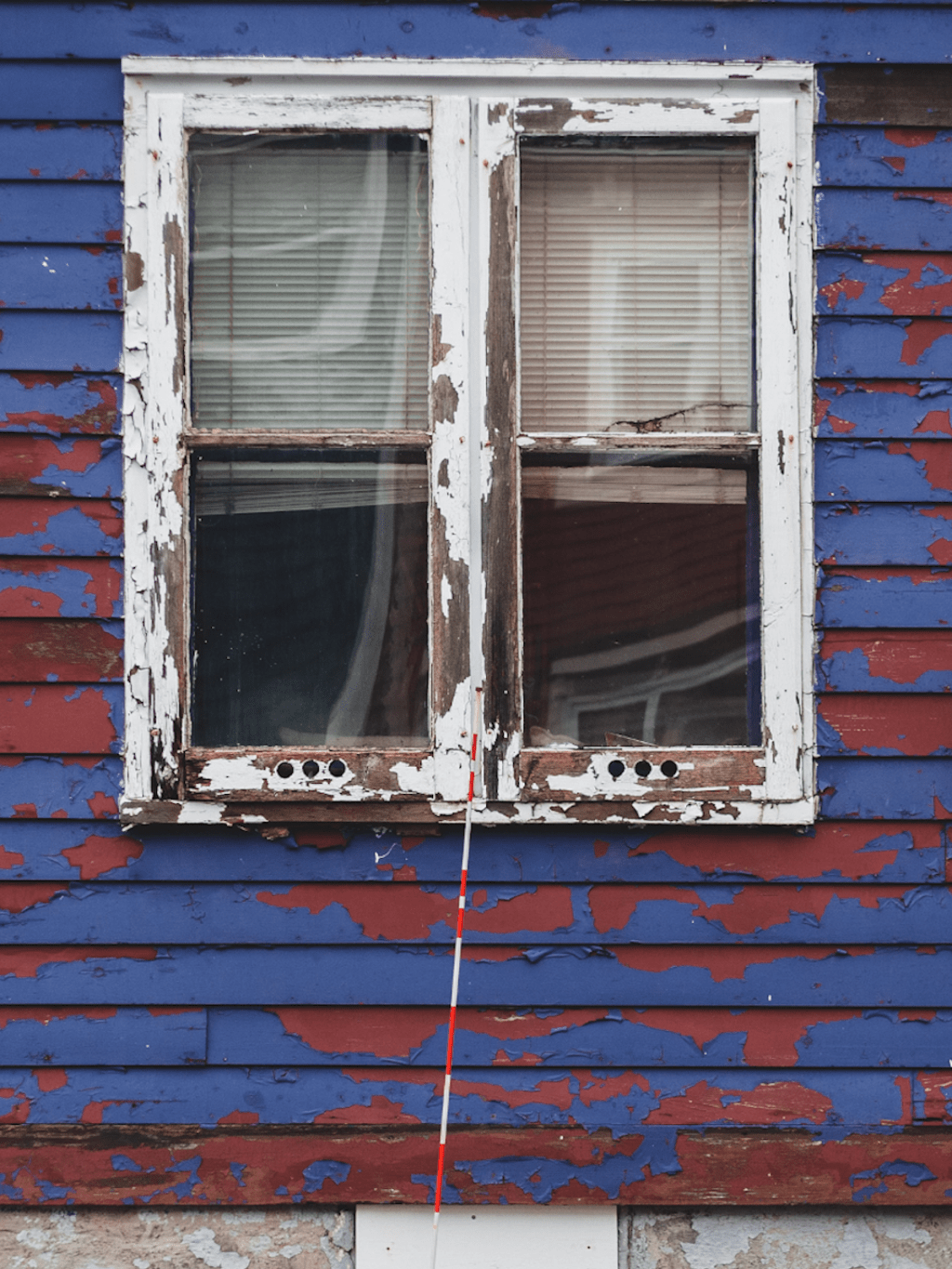
Planning to give your home’s exterior a fresh coat of paint? It’s tempting to jump straight into the painting process, but taking the time to properly prepare your surfaces beforehand can make a world of difference in the success and longevity of your paint job. Prep work is a critical step that should not be overlooked, as it lays the foundation for a smooth and flawless finish. In this blog post, we’ll delve into the reasons why prep work is crucial for residential exterior painting, and why it should be a top priority for any homeowner or professional painter.
Ensures Proper Adhesion One of the primary reasons why prep work is essential for residential exterior painting is to ensure proper adhesion of the paint. Exterior surfaces, such as wood, stucco, or brick, are exposed to various environmental elements, including sunlight, moisture, and temperature fluctuations, which can cause the surfaces to expand, contract, or deteriorate over time. Proper prep work involves cleaning and repairing these surfaces, removing any loose or peeling paint, sanding rough areas, and filling cracks or holes. This helps create a smooth and stable surface for the paint to adhere to, ensuring that it won’t peel or chip prematurely. Without proper adhesion, your paint job may not last as long and may require frequent touch-ups or repainting.
Improves Aesthetics Prep work also plays a crucial role in improving the aesthetics of your exterior paint job. Painting over dirty, damaged, or uneven surfaces can result in a poor finish, with visible imperfections that can be unappealing and detract from your home’s curb appeal. Properly preparing the surfaces by cleaning, sanding, and repairing them can help create a clean and smooth canvas for the paint. It allows the paint to go on evenly and smoothly, resulting in a professional-looking finish that enhances the overall appearance of your home. A well-prepped surface also allows the paint colors to look true and vibrant, giving your home a fresh and polished look that will make it stand out in your neighborhood.
Protects Against Damage Another important aspect of prep work for residential exterior painting is to protect your home against potential damage. Exterior surfaces are exposed to the elements and can be susceptible to moisture intrusion, which can lead to rot, mold, and other issues. Proper prep work involves inspecting the surfaces for any signs of damage, such as rotting wood, water stains, or mildew, and addressing them before painting. This may involve repairing or replacing damaged wood, sealing gaps or cracks, and applying a primer or sealer to protect the surfaces from moisture. By addressing these issues during prep work, you can prevent further damage to your home and extend the lifespan of your paint job.
Saves Time and Money While it may be tempting to skip or rush through the prep work to get to the painting, it can actually save you time and money in the long run. Proper prep work ensures that the surfaces are properly prepared, allowing the paint to adhere well and providing a durable finish that will last longer. This means fewer touch-ups or repainting down the road, which can save you the time, effort, and cost of redoing the paint job. Additionally, addressing any existing damage or issues during prep work can prevent costly repairs or replacements in the future. Investing the time and effort in thorough prep work upfront can ultimately save you money and ensure a successful and long-lasting paint job.
Enhances Paint Durability The durability of your exterior paint job is crucial, as it protects your home from the harsh effects of weather and other environmental factors. Proper prep work is key to enhancing the durability of your paint.
Are you in need of professional residential painting services? Look no further! Visit our website at www.riverflowpainting.com for all your painting needs.
 RiverFlow Painting Residential Painting Blog