
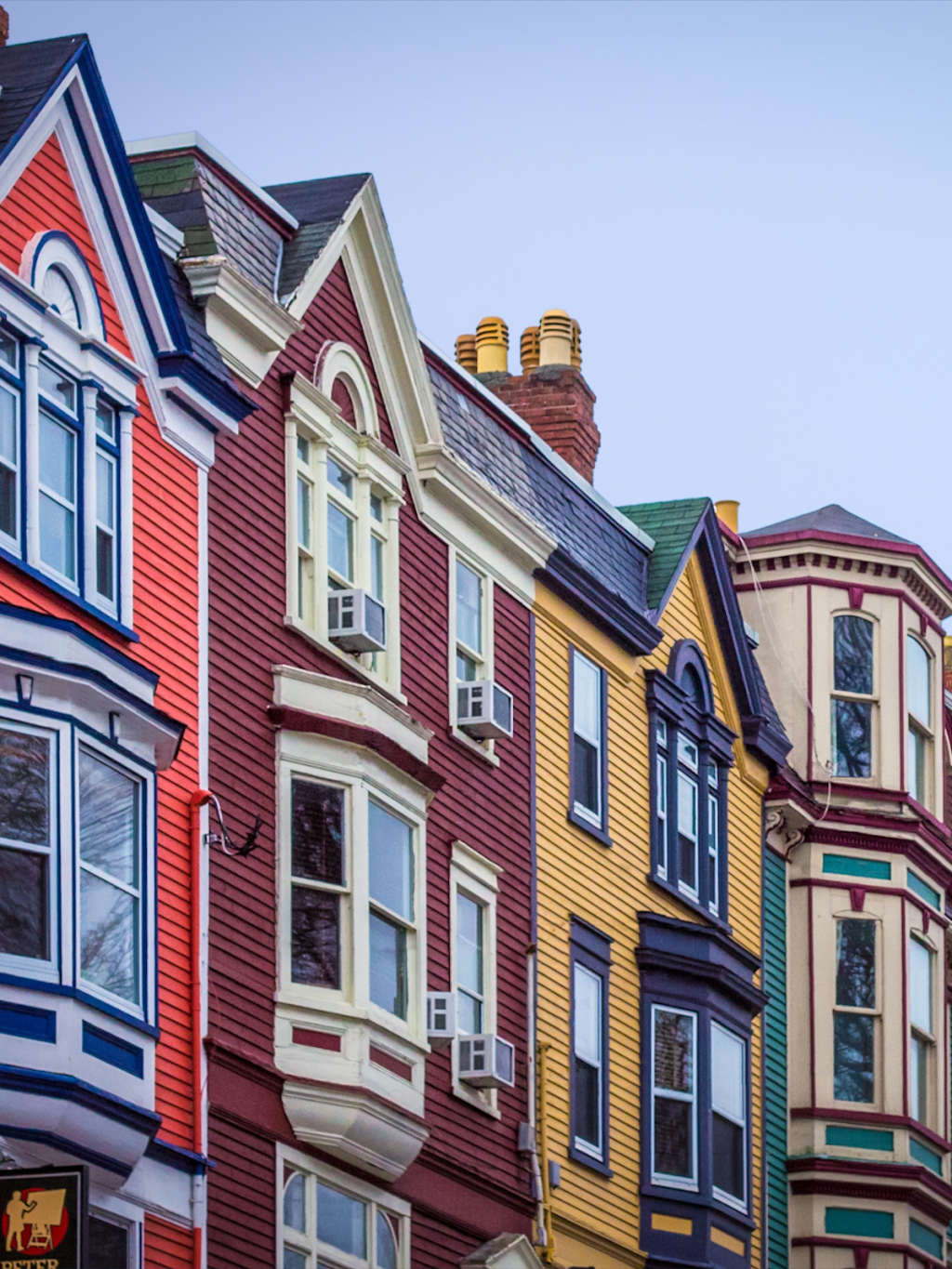
As a homeowner, you know that the exterior of your house is a canvas waiting to be painted. Choosing the right colors for your home’s exterior can be a daunting task, but it’s equally important to know how to paint light colors over dark ones to achieve a professional and visually appealing result. In this blog post, we will explore the art of painting light over dark colors on your home’s exterior and provide you with some helpful tips to achieve a flawless finish.
- Prepare the Surface Before you start painting, it’s crucial to prepare the surface properly. Clean the exterior of your house thoroughly using a pressure washer to remove dirt, grime, and loose paint. If there are any cracks or holes, fill them with an appropriate filler and sand the surface to create a smooth canvas for painting. Prime the surface with a high-quality exterior primer to ensure good adhesion of the paint.
- Choose the Right Paint When it comes to painting light over dark colors, choosing the right paint is essential. Opt for a high-quality exterior paint that is specifically formulated for the type of surface you’re painting, whether it’s wood, stucco, brick, or metal. Look for a paint with excellent coverage and opacity to ensure that the dark color underneath won’t bleed through. Additionally, consider using a paint color that is significantly lighter than the dark color you’re covering to achieve the best results.
- Use a Tinted Primer One effective technique to paint light colors over dark ones is to use a tinted primer. Tinted primers are specifically formulated to provide a neutral base that can help to block out the dark color underneath, allowing the light color to show up more vibrantly. For example, if you’re painting a light yellow color over a dark blue surface, you can use a primer with a light gray tint to neutralize the blue color and create a smooth transition.
- Apply Multiple Coats When painting light over dark colors, it’s important to be patient and apply multiple coats of paint. Light colors typically require more coats to achieve full coverage and hide the dark color underneath. Start with a thin coat of paint and allow it to dry completely before applying subsequent coats. Use long, even brush strokes or a roller for a smooth and consistent finish. Be sure to follow the manufacturer’s instructions for drying times and re-coating intervals to ensure the best results.
- Pay Attention to Details To achieve a professional-looking finish, pay attention to details. Use painter’s tape to protect adjacent surfaces and edges, such as windows, doors, and trim, from accidental paint splatters. Take your time to paint carefully around these areas with a small brush or a trim brush to ensure clean lines and a polished look. Don’t rush the process, as sloppy painting can ruin the overall appearance of the finished project.
- Consider the Lighting Lighting plays a significant role in how colors appear, both indoors and outdoors. When painting light colors over dark ones, consider the lighting conditions in your area. If your house is in a shaded area or lacks natural sunlight, the light color you’re painting may appear darker than intended. In such cases, you may need to choose a lighter shade of paint or apply additional coats to achieve the desired result.
- Evaluate and Touch Up Once you’ve completed painting light over dark colors, step back and evaluate the overall appearance of your home’s exterior. Look for any areas that may need touch-up, such as spots with uneven coverage or bleed-through of the dark color. Use a small brush to carefully touch up these areas and ensure a seamless finish.
In conclusion, painting light over dark colors on your home’s exterior requires careful preparation, the right
Are you in need of professional residential painting services? Look no further! Visit our website at www.riverflowpainting.com for all your painting needs.
 RiverFlow Painting Residential Painting Blog