
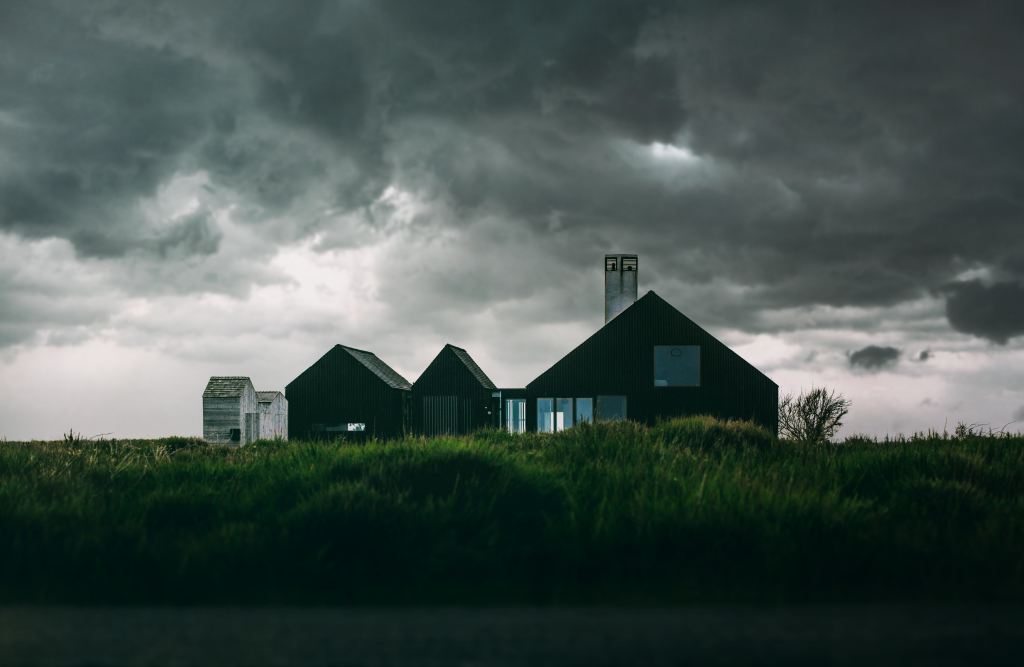
Weather can have a significant impact on the outcome of a painting project. From temperature and humidity to rain and wind, the weather can cause paint to dry too quickly, not adhere properly, or become damaged. In this blog post, we’ll discuss how weather affects painting and what you can do to ensure a successful project.
Temperature
Temperature is a critical factor in painting. Paint dries best in temperatures between 50 and 90 degrees Fahrenheit. When the temperature is too low, paint can freeze, and when it’s too high, it can dry too quickly, causing the paint to become brittle and crack. If you’re painting in cold weather, try to schedule the work for the warmest part of the day and make sure to allow for extra drying time. If you’re painting in hot weather, work in the morning or evening and avoid direct sunlight.
Humidity
Humidity is another factor that can affect the drying time of paint. High humidity can cause paint to dry more slowly, leading to streaks and drips, while low humidity can cause the paint to dry too quickly, resulting in cracking and peeling. If you’re painting in high humidity, use a dehumidifier or air conditioning to help lower the humidity level. If you’re painting in low humidity, mist the area with water to increase the moisture level.
Rain
Rain is one of the most significant weather challenges when painting. If paint gets wet before it has had a chance to dry, it can become diluted and won’t adhere properly. If rain is in the forecast, it’s best to delay the painting project. Make sure to check the forecast for at least 24 hours in advance and plan accordingly.
Wind
Wind can also affect the outcome of a painting project. It can cause paint to dry too quickly, leading to a streaky finish, or cause debris to stick to the paint, creating a rough texture. If you’re painting on a windy day, try to work in a sheltered area and use a brush or roller instead of a sprayer to prevent overspray.
What to Do About It
To ensure a successful painting project, it’s important to check the weather forecast and plan accordingly. Try to schedule the work for a day with mild temperatures, low humidity, and no chance of rain or wind. If the weather is not cooperating, delay the project until conditions improve. You can also use additives, such as paint thinner or water, to adjust the consistency of the paint and help it dry more evenly.
In conclusion, weather can have a significant impact on the outcome of a painting project. Temperature, humidity, rain, and wind can all affect the drying time and adherence of the paint. By understanding how weather affects painting and taking steps to mitigate its impact, homeowners can ensure a successful project that lasts for years to come.
Are you in need of professional residential painting services? Look no further! Visit our website at www.riverflowpainting.com for all your painting needs.
 RiverFlow Painting Residential Painting Blog